
Classic case
China's Strategic Maneuvers Amid U.S. Pressure on Iran
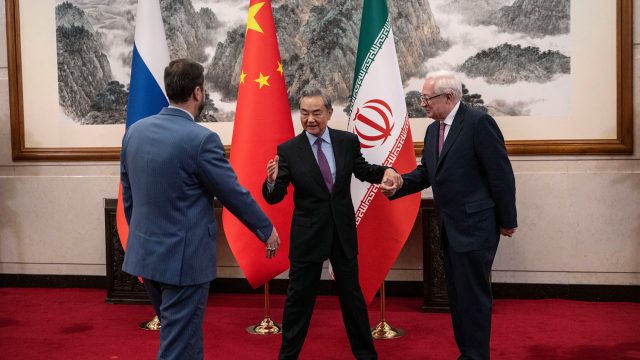
Key Takeaways
- China maintains strong trade relations with Iran despite U.S. sanctions.
- Beijing's influence in the region affects global supply chains.
- Indonesia and ASEAN markets feel the impact of these geopolitical shifts.
- China's strategies can alter trade dynamics in Southeast Asia.
- Global businesses must adapt to evolving trade policies.
The Current Landscape of U.S.-China Relations
As tensions between the United States and China continue to rise, particularly concerning Iran, China's approach to international trade becomes increasingly significant. Beijing's firm stance against U.S. sanctions reflects a broader strategy to bolster its economic influence in the region, especially within Southeast Asia. Notably, Indonesian markets, including major cities like Jakarta and Surabaya, are observing these developments closely.
China’s Economic Ties with Iran
China has been a significant trading partner for Iran, providing vital economic support that counters U.S. sanctions. This relationship underscores the importance of energy and resource trade, which is crucial for Iran's economy. Recent reports indicate that bilateral trade reached approximately $15 billion in 2022, showcasing the resilience of their partnership.
Implications for Southeast Asia
The ramifications of China's strategic moves extend beyond its borders, significantly influencing markets in Southeast Asia. The ASEAN region, particularly Indonesia, is poised to experience shifts in trade dynamics as businesses reassess their strategies amidst changing geopolitical landscapes. Chinese investments in Indonesian infrastructure and industries may gain momentum, further intertwining the economies of these nations.
Understanding the Geopolitical Context
The backdrop of U.S.-China tensions over Iran speaks volumes about the fragility of international relations in today’s world. China's ability to navigate these pressures not only solidifies its position as a global power but also reshapes the economic landscape in Southeast Asia. As firms across the region adapt to these challenges, the need for agile strategies becomes paramount.
Why Now Matters
The current geopolitical climate presents a unique opportunity for businesses in Southeast Asia to capitalize on the shifts in trade patterns. With the potential for increased Chinese investment in the region, industries from manufacturing to technology could experience substantial growth. This is particularly pertinent for Indonesian businesses, which stand to benefit from closer ties to China as it seeks to expand its economic footprint.
Conclusion: Preparing for Future Developments
As U.S.-China relations continue to evolve, understanding the implications of these dynamics is crucial for businesses operating in or with Southeast Asia. With China's strategies influencing global trade patterns, companies must prepare for a future characterized by rapid changes and new opportunities. Strategic planning and adaptability will be key in navigating this complex landscape.
CATEGORIES
News
- Unmissable Home Essentials: Dive into Th2026-09-04
- Tragic Loss: Elderly Pedestrian Killed b2026-09-04
- New Undercover Investigation Exposes Ele2026-09-04
- US Vice President Comments on Recent Air2026-09-04
- Nepal-Tibet Flood Crisis: Recent Develop2026-09-04
CONTACT US
Contact: Kalvune Home Furniture
Phone: 13800000000
Tel: 400-123-4567
E-mail: rekhamonikaraja@gmail.com
Add: Here is your company address