
Latest case
Why Soft Architecture is Reshaping Home Design Today
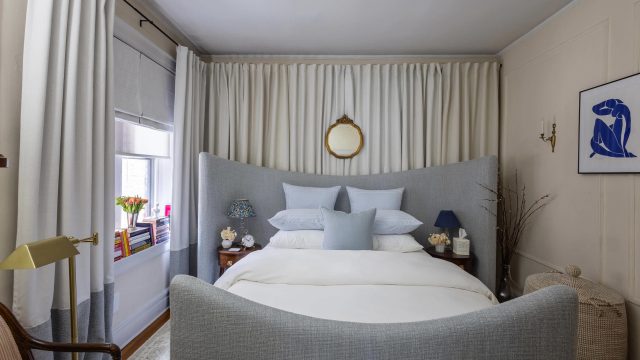
Understanding the Shift to Soft Architecture
In recent years, the architectural landscape has been evolving with the increasing popularity of soft architecture. This design philosophy champions curves, warm materials, and inviting spaces, moving away from the stark lines and hard surfaces that dominated past decades. As we dive into 2024, this trend has profound implications for how homes are conceived and realized, especially in regions like Southeast Asia, where the desire for comfort and cultural reflection plays a crucial role.
Key Takeaways
- Soft architecture emphasizes comfort and warmth in home design.
- Curved lines and natural materials are signature elements of this trend.
- Southeast Asia, particularly Indonesia, is embracing these design changes.
- This approach creates more inviting spaces suited for modern living.
- Soft architecture reflects cultural values, promoting relaxation and connection.
Why Soft Architecture Matters Now
The significance of soft architecture cannot be understated, particularly in light of current social and environmental considerations. As people seek solace and comfort in their living spaces, architects and designers are reimagining homes to reflect these needs. The COVID-19 pandemic has driven many to reevaluate their surroundings, leading to a rise in demand for more serene and welcoming environments.
This trend is particularly evident in urban areas such as Jakarta, Surabaya, and Bali. In these bustling cities, where high-pressure lifestyles are the norm, soft architecture offers an antidote. Homes that showcase rounded edges, organic shapes, and natural materials provide a sanctuary from the chaos outside, fostering a sense of peace and wellbeing.
Material Choices for Soft Architecture
Choosing the right materials is critical in achieving the goal of soft architecture. Here are some popular options that are making waves in home design:
- Wood: A classic choice that brings warmth and texture to interiors.
- Natural Stone: Soft-edged stones create a harmonious connection with nature.
- Textiles: Plush fabrics add comfort and visual softness to spaces.
- Biophilic Elements: Integrating greenery enhances the natural feel of homes.
Impact on Local Markets
The rise of soft architecture significantly impacts markets across Southeast Asia, particularly in Indonesia. As consumers become more aware of their living environments, demand for softer, more adaptable design solutions is surging. This has encouraged local architects to innovate and adapt traditional design principles to meet contemporary needs.
For instance, homes that incorporate soft architecture principles are not only more appealing but also align with sustainability goals. By utilizing local materials and traditional construction methods, builders can create homes that resonate with the cultural heritage of the region while prioritizing comfort and practicality.
Engagement with Local Culture
Soft architecture is not just about aesthetics; it's also deeply tied to cultural values. In Indonesia, where community and family play central roles, homes designed with softness in mind foster a sense of connection. Open layouts and inviting communal spaces encourage interaction, making them ideal for family gatherings and socializing.
Conclusion
As we look to the future of home design, soft architecture stands out as a significant movement that aligns with the evolving needs of homeowners today. With an emphasis on comfort, connection, and cultural reflection, this trend is reshaping how we think about our living environments. For those in the Indonesian market and beyond, embracing soft architecture could not only enhance the aesthetic appeal of homes but also improve overall wellbeing.
CATEGORIES
News
- The Global Rise of Eco-Friendly Furnitur2026-07-30
- Discover Essential Home Organization Too2026-07-30
- Maximizing Your Wholesale Home Furniture2026-07-30
- The Evolution of Home Furniture Manufact2026-07-30
- Wholesale Home Furniture: Trends and Opp2026-07-30
CONTACT US
Contact: Kalvune Home Furniture
Phone: 13800000000
Tel: 400-123-4567
E-mail: rekhamonikaraja@gmail.com
Add: Here is your company address