
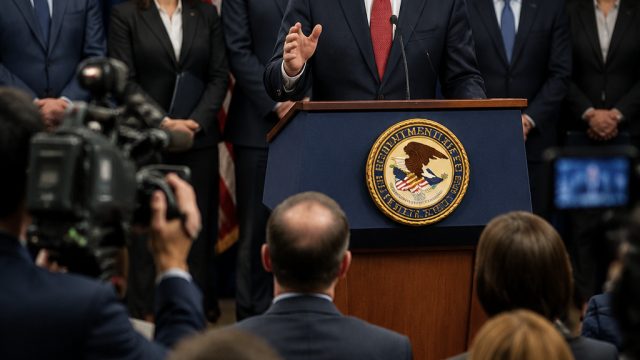
Major Healthcare Fraud Crackdown Unveiled by DOJ in Southern California
In a significant legal maneuver, the U.S. Department of Justice (DOJ) has announced charges against ten individuals in Southern California as part of an extensive crackdown on healthcare fraud. This operation marks one of the largest coordinated efforts to combat such crimes in U.S. history, signaling a robust commitment to safeguarding taxpayer-funded healthcare programs.
The Scale of the Operation
The DOJ's recent announcement reveals a staggering $6.5 billion in fraudulent claims tied to Medicare and Medicaid. These charges are not only a response to increasing concerns over fraud in the healthcare sector but also reflect the government's insistence on accountability and integrity within healthcare services.
Key Figures Involved
- Among the defendants, some are accused of orchestrating schemes that exploited vulnerable patients and manipulated billing systems.
- One notable case involves a Houston woman who has been placed on the FBI's most wanted list, facing allegations of defrauding nearly $100 million.
- Another defendant, an owner of a methadone clinic, allegedly siphoned large sums of money to fund a luxurious lifestyle, including a yacht dubbed 'Butt Nekkid.'
Implications of the Crackdown
This significant crackdown sends a clear message to those involved in fraudulent activities: the government is keenly aware and actively monitoring healthcare practices. This move is particularly timely, as the nation grapples with the financial strains imposed by a pandemic and economic uncertainty.
Why This Matters Now
With healthcare being a vital sector that directly impacts every American, the DOJ's action is crucial for restoring trust in medical practices and ensuring that resources are allocated to those who genuinely need them. The implications of this crackdown extend beyond individual cases; they raise awareness about the systemic issues in healthcare fraud.
Future of Healthcare Fraud Monitoring
As the DOJ ramps up its efforts, the future of healthcare fraud monitoring is poised for transformation. Enhanced scrutiny and advanced technology will likely play pivotal roles in identifying and preventing fraudulent activities.
Possible Changes in Regulations
In light of these events, it is expected that regulations surrounding healthcare practices may become stricter. Stakeholders in the healthcare industry will need to adapt to a landscape where compliance and ethical practices are prioritized.
- Increased oversight from regulatory bodies.
- More stringent penalties for offenders.
- Implementation of advanced technologies to detect fraudulent claims.
Conclusion
The recent actions taken by the DOJ highlight a crucial turning point in the fight against healthcare fraud. With billions of dollars at stake and public trust on the line, this crackdown serves as a necessary step towards ensuring healthcare remains accessible and honest. As the legal landscape evolves, all stakeholders must remain vigilant and proactive in their efforts to create a transparent and accountable healthcare system.